
2-Year Filter Life
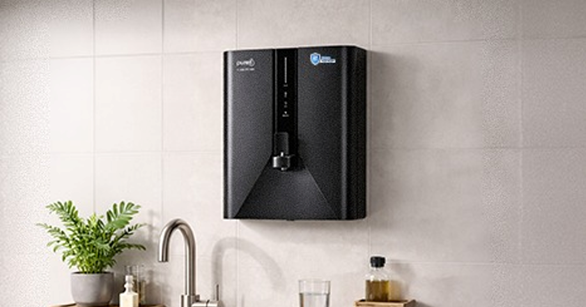
2-Year Filter Life
Enjoy absolute peace of mind with a 2-year warranty that covers all filters and ensures dependable performance. No hidden costs, just guaranteed purity.10Ltr Large Storage Capacity
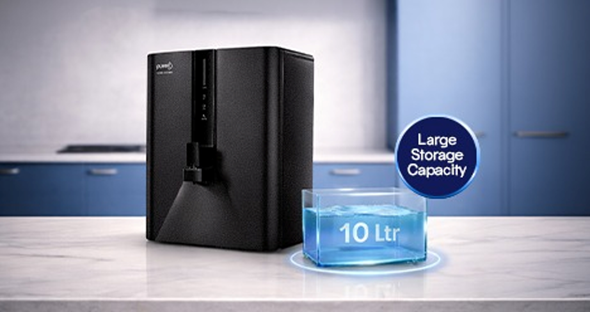
10Ltr Large Storage Capacity
A generous 10-litre food-grade tank ensures your family never runs out of safe RO water, even during peak hours or power cuts.Advanced 8-Stage Purification
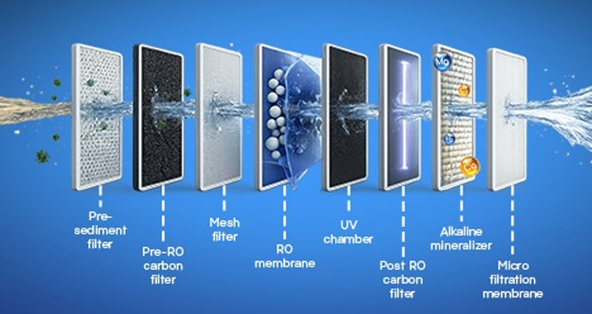
Advanced 8-Stage Purification
Experience the ultimate water purification with our water purifier system, combining RO, UV, and MF technologies to eliminate impurities, microbes, and dissolved contaminants.Patented Tech
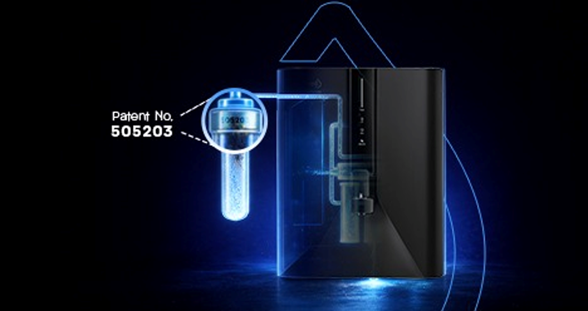
Patented Tech
Experience superior 8-stage protection including a Pureit-patented external sediment filter. Engineered to treat all water sources—borewell, tanker, or municipal—up to 2000 ppm TDS.Balanced Hydration
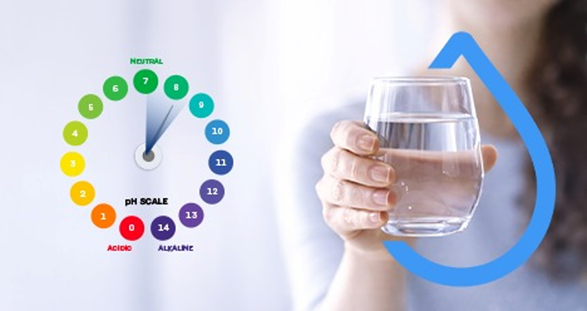
Balanced Hydration
Unlike regular RO systems that leave water acidic and 'flat', our bypass-free technology ensures that every glass of your water is healthy and naturally balanced for better hydration.Mineral Enriched Alkaline Water
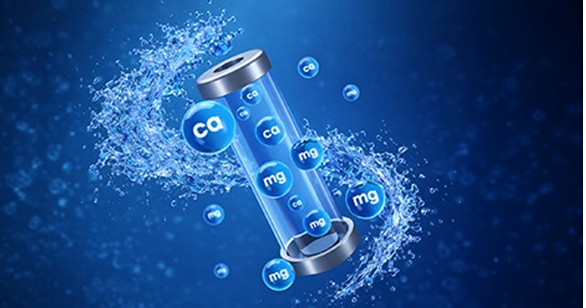
Mineral Enriched Alkaline Water
Get 100% RO purified water enriched with essential Calcium and Magnesium. Our bypass-free Alkaline Mineralizer balances pH levels for healthier, great-tasting hydration.Smart Sense Indicators
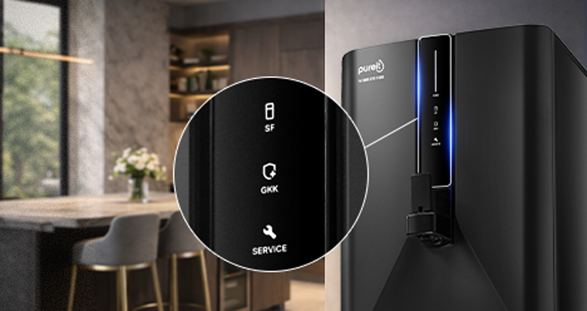
Smart Sense Indicators
Digital alerts notify you 15 days before filter expiry and automatically suspend dispensing if filters aren't changed, ensuring you never drink unsafe water.24/7 WhatsApp & Service Support
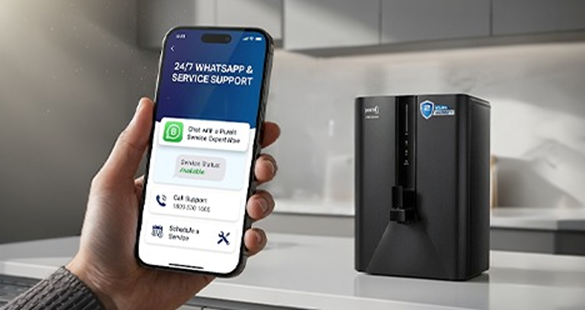
24/7 WhatsApp & Service Support
Professional assistance is always at your fingertips with 24/7 WhatsApp support, ensuring a smooth and hassle-free ownership experience .High-Speed Purification & Eco-Recovery
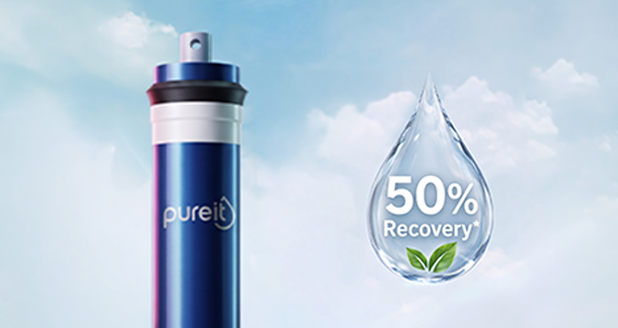
High-Speed Purification & Eco-Recovery
High speed purification that purifies upto 24 litres per hour while saving up to 50% more water daily. High performance meets sustainable, low-waste engineering.Safety Certified
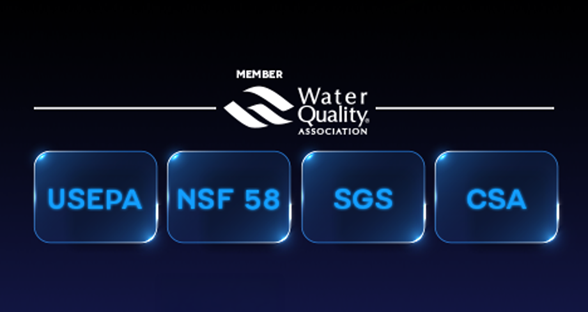
Safety Certified
Meets toughest safety standards with a high-intensity UV chamber that kills 99.9% of bacteria and viruses. Includes WQA certified components for 100% food-safe storage.Purifies All Types of Water
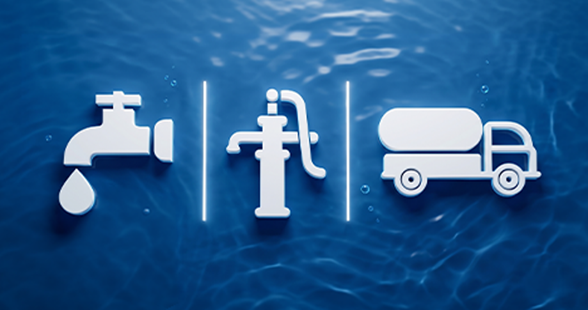
Purifies All Types of Water
From borewell water to tap water and tank water, get everything purified and 100% drinkable with Eco Elite's 8-stage purification process.Specifications

Dimension

Product weight

Purified Water Flow Rate

Membrane type

Pump type

% Recovery

TDS Reduction

Power rating

Pressure rating

Rated voltage

Material of construction for plastic parts

Length of power cord
Total dissolved solids

Total Hardness

Iron

Turbidity
- ADVANCED 8-STAGE FILTRATION FOR PURE WATER: Experience the ultimate water purification with our water purifier RO system, combining RO, UV, and MF technologies to eliminate impurities, microbes, and dissolved contaminants. Enjoy consistently clean water for everyday family use with our RO purifier, suitable for TDS up to 2000 ppm
- MINERAL-RICH ALKALINE PURIFICATION: Features an advanced Alkaline Mineralizer that restores 100% of essential minerals like Calcium and Magnesium while balancing pH levels. Unlike standard RO systems that leave water acidic and "flat", our bypass-free technology ensures every drop is healthy, great-tasting, and naturally balanced for better hydration.
- POWERFUL UV PROTECTION: High intensity UV chamber kills up to 99.9% harmful bacteria, virus, and parasite cysts which ensures every glass served to your family is purified twice.
- ECO-RECOVERY WATER SAVING TECHNOLOGY: Save up to 50%* more water with our water purifier with Eco-Recovery technology (based on our internal lab testing*). It reduces daily wastage while meeting household needs; a smart choice for families seeking sustainable and efficient water purifiers.
- SMARTSENSE INDICATORS FOR YOUR SAFETY: Stay informed with our water purifier filter home Smart-Sense indicators, alerting you 15 days before filter expiry. To ensure uninterrupted access to safe, mineral-enriched water, our water purifier filter suspends dispensing if the filter is not changed.
- SMART SERVICE & WARRANTY: Water purifier RO equipped with Tank made with 100% food safe, non toxic materials for filter health and safety; supported by 2-year warranty (all filters covered) and responsive 24x7 WhatsApp service assistance; ensures smooth ownership and dependable performance throughout usage. Free patented external sediment filter (ESF) designed to last long.
- 10L STORAGE CAPACITY: Perfect for medium to large households, the generous 10L tank ensures a steady supply of purified water during peak hours while the high intensity UV lamp provides continuous sterilization and our membrane protector ensures components free from foul smell & contamination. The pack comes with a water purifier, installation kit & free pre-sediment filter.
- FAST PURIFICATION SPEED: RO filter water purifier capable of purifying up to 24 litres per hour*, and up to 12,000 litres* of drinking water can be purified (based on our internal lab testing*); high output ensures clean water is always available during peak usage; perfect for busy households that need quick refills without waiting.
Warranty
Product Manual

FAQs
TDS (total dissolved solids) is a measurement which refers to the combined total amount of both inorganic and organic substances dissolved in water. These can be total charged mineral content in water and any neutral (uncharged) compounds such as sugar, alcohol, many organics (including many pesticides and their residues), and unionized forms of silica, ammonia and carbon dioxide.
TDS meters measure the conductivity of a water sample, which correlates to the concentration of only charged ions or mineral content.
TDS meters typically display the total dissolved solids in parts per million (ppm) or mg per litre. Total charged ions" is likely a much better term for what the TDS meter measures. Fortunately, a measurement of total charged ions is good enough for most purposes.
Natural TDS levels can vary based on regional geology but do not necessarily indicate water quality issues. If you have questions on what should be TDS water you consume, we suggest consulting your dietician/doctor.
TDS meters are unable to detect certain contaminants, as they primarily measure the electrical conductivity of water, which reflects the presence of charged ions. Here are some common contaminants that TDS meters cannot detect:
Non-ionic Organic Compounds: TDS meters cannot detect organic substances that are uncharged, such as pesticides, herbicides, pharmaceuticals, and petroleum-based products like gasoline and motor oil.
Volatile Organic Compounds (VOCs): TDS meters are ineffective in detecting VOCs, which are organic compounds that can easily vaporize into the air. VOCs include chemicals like benzene, toluene, and trichloroethylene, often found in industrial solvents and household products
Heavy Metals: While TDS meters can detect the presence of some heavy metal ions, they may not be sensitive enough to identify toxic levels of specific heavymetals, including lead, mercury, arsenic, cadmium, andchromium 6.
Bacteria and Microorganisms: TDS meters cannot detect the presence of bacteria, viruses, and other microorganisms in water. Specific tests, such as microbial culture or DNA-based methods, are required for their detection.
Radioactive Contaminants: TDS meters cannot identify radioactive substances such as radon, uranium, or radium that may be present in water sources.
Dissolved Gases: TDS meters do not measure the presence of dissolved gases like hydrogen sulfide (producing a "rotten egg" smell) or carbon dioxide. It's important to note that while TDS meters cannot detect these contaminants directly, their presence may affect the overall TDS reading indirectly due to the contribution of charged ions. However, for accurate and comprehensive water testing, specific tests targeting these contaminants should be conducted at BIS approved 3rd party lab.
TDS meters can be useful in testing the efficiency of certain water filters, such as distillers or reverse osmosis systems, to ensure their core technology is functioning properly. Its useful to broadly compare the purified water and feedwater with respect to their TDS values.
While TDS meters are useful for estimating the mineral content in water, they have limitations in detecting specific contaminants. They should be considered as screening tools rather than comprehensive water testing devices. To ensure water safety, comprehensive water testing through certified laboratories or consulting water quality experts is recommended.
TDS meters measure the electrical conductivity of water. Dissolved salts that dissociate into charged ions carry an electrical charge, conductivity of these charged ions is directly measured by the probe or electrode of TDS meter, and it is then converted into the TDS value in ppm (part per million or mg/Ltr.) and is seen on the display.
Factors Affecting TDS Measurements: TDS measurements can be influenced by factors such astemperature, pH, and the presence of air bubbles in between the electrodes, and dissolved gases in water. Understanding these factors helps interpret TDS measurements accurately.
Reasons for varied readings include:
Ions: The nature of charged positive ions (which is what the TDS meters are measuring) is that they are always moving. Therefore, there may always be variances in the conductivity, and thus a different reading.
Temperature: Even with ATC, temperature changes by a tenth of a degree may increase or decrease the conductivity. Additionally, the temperature coefficient (what the reading is multiplied by to adjust for temperature differences) changes slightly depending upon the range of ppm. Our meters and virtually every meter under $500 has a single temperature coefficient, regardless of the range. (The new COM100 offers three temperature coefficient options, but each is linear once selected).
Air bubbles: Even a tiny air bubble that has adhered to one of the probes could potentially affect the conductivity, and thus the reading.
Lingering electrical charges: Electrical charges off fingers, static electricity off clothes, etc. on the meter and lingering electrical charges in the water will affect the conductivity of the water.
Container/ glass /cup material: Plastic cups retain lingering electrical charges more than glass. If the meter touches the side of the glass or plastic, it could pick up a slight charge. If the plastic is retaining a charge, it could also affect the water.
Volume changes: The amount of water in the sample may affect the conductivity. Different volumes of the same water may have different levels of conductivity. Displacement may affect the conductivity as well. Probe positioning: The depth and position of the probe in the water sample may also affect the conductivity. For example, if a meter is dipped into the water, removed, and then dipped into the water again, but in a different spot, the reading may change.
Rinse: Always rinse probe with the sample to be measure just before measurement.
Stir/tap: After dipping the meter in the water sample, always lightly tap it against the side and stir the meter to remove any lingering air bubbles or electrical charges.
Positioning: When taking the reading, always make sure to hold the meter straight up without it touching the sides or bottom of the glass/beaker/cup. The probe should be suspended as close to the center of the water sample as possible.
Time: The longer the meter is in the water, the more accurate the reading will be. Temperature: 25 degrees Celsius is the ideal temperature for conductivity readings, even if the meter has ATC.
Rinse: If switching between very low and very high ppm water, always rinse the probes with distilled water to avoid any buildup.
As you are aware, Pureit water purifiers have mineral enhancer cartridge post RO membrane which adds back natural minerals in the range 5 ppm to 60 ppm into the RO purified water and water with these minerals get stored in purified water storage tank, and hence for calculation of TDS reduction, one should use the water ex-RO membrane and get that water tested for TDS, but this should be done by an authorized service technician only. While TDS meter give broad idea on RO membrane performance, it is recommended to get feed water and water Ex-RO membrane checked for TDS values from BIS approved 3rd party lab (URL for BIS website for approved lab list).
As per in-house lab data, the accuracy of TDS meter varies between ± 10% when calibration standard samples are tested using the TDS meter and using the method mentioned in IS 3025 part 16:2023 as recommended by BIS in IS 16240:2023.
Basis the frequency of use, maintenance of TDS meter, water quality and chemistry, the TDS meter may show values beyond the accuracy level, it is hence recommended to get your TDS meter regularly checked from BIS approved 3rd party lab (URL for BIS website for approved lab list) and maintain it as per above recommendations.
Pureit Eco Water Saver Mineral RO+UV+MF has a 8-Stage Purification Process which ensures you get water that is sweet and always safe.
In the first stage, the water passes through the Pre-Sediment Filter which removes fine and coarse particulate impurities/dirt.
The second stage is the Pre-RO Carbon Filter that removes chlorine and organic impurities like harmful pesticides. It also adsorbs bad taste and odour-causing organic compounds from water. The third stage is the Mesh Filter which removes the remaining dirt.
Then the water passes through the RO Membrane at high pressure, with the help of an inbuilt pump. The RO Membrane removes dissolved salts, hardness, pesticides and heavy metals like arsenic, lead and mercury. It also removes microbial contaminants like bacteria, virus, protozoa and cysts.
Fifth stage is a high intensity UV Chamber that acts as an additional stage of purification to further inactivate bacteria, virus and parasites to deliver safe water.
After the UV Chamber, water passes through a Compound Post carbon + Mineral cartridge that adds adequate quantities of essential minerals to the water and at the same time acts as a polisher and enhances the taste of purified water.
Last stage is the Micro Filtration (MF) Membrane which added Post-RO and ensures that the water is purified not once but thrice!
Pureit Eco Water Saver Elite RO+UV+MF has a storage tank capacity of approx 9.5 to 10 litres under running water. The process of filling the storage tank is fully automatic and when you take water out of the tank, the purification process automatically starts and refills the storage tank.
Pureit Eco Water Saver Elite RO+UV+MF can purify water upto 24 litres per hour. However, the time taken to purify depends on the life of the filters, the input water pressure, TDS and other impurities present in water.
You need to call the Pureit Helpline and order for a Germkill Kit. Our technician will visit your place and replace the Germkill Kit at a nominal cost.
Pureit Eco Water Saver Elite RO+UV+MF has been designed in such a way that during the first time startup of the device, the “Tank Full” indicator will blink for approximately 15 minutes and then normalise for usage.
No. After Pureit Eco Water Saver Elite RO+UV+MF is installed or whenever the Germkill Kit(s) are replaced, discard the first cycle of water (10 litres) that is filled in the storage tank.
In case there is no purified water in the storage tank then you need to first check for LED indications. If it shows Tank icon blinking post installation, there is no water supply then you can check whether the Ball Valve is closed or the power is off. If none of the above cases are true, please call Pureit Helpline.
It is not recommended to open and service device by an individual. Call our Pureit Helpline if you face any issue which requires servicing and opening the device
Pureit Eco Water Saver Elite RO+UV+MF will purify “potable” water for removal of hardness and other impurities to give you safe drinking water. If the input water has impurities normally not present in drinking water (high iron/ turbidity/ microbial contamination etc.) or water is from unknown source (river/lake/pond/ borewell etc.) then suitable pre-treatments may be required.
There may be several reasons for this: While the Germkill Kits and the Pre-Sediment Filter have fixed replacement schedules, depending on your input water quality the Pre-Sediment Filter might need a replacement even before the purifier gives you an alert. In such cases, please contact Pureit helpline on 1800-570-1000 and get the Pre-Sediment Filter cleaned/replaced. Also, Advance Alert System will alert you basis the pump running hours. The purifier will communicate the alert only if the purifier is in a switched on condition during the scheduled alert time. Post the completion of the scheduled alert time, Auto Shut Off will be activated automatically for the GKK.
Like other ions, the RO technology can also remove arsenic, flourideand nitrates asper IS 16240:2023, however, RO system is not recommended for arsenic level above 0.1 mg/litre, fluoride level above 8.0 mg/litreandiron level above 0.3 mg/litre
It is not recommended to use the reject water for any kind of consumption (drinking or cooking). It can probably be used for gardening or cleaning floors.
Please call the Pureit Helpline. We will guide you on the repairs required. You would need to buy the replacement parts at an additional cost.
Turn off the Ball Valve and switch off the power, if you find any failure. Check for any visually improper fitments and then call our Pureit Helpline at 1800-570-1000 and register a service request.
You can use stored water for 2 days. If it is not used for more than 2 days we advice you to discard that water, refill and then consume.
While the Germkill Kits and the Pre-Sediment Filter have a fixed replacement schedule, you might be required to change the filters in the interim depending on the quality of your input water.
Should the tap flow rate be very less or if it is taking too long for the tank to fill, then please contact the Pureit helpline at 1800-570-1000 to change the membranes. These extra visits will be chargeable as per T&C.
It is recommended to clean dry or wet wiping by 3M mop cloth. Do not spray water on the device front cover as it may damage the electronic part. Do not use soap or hard cleaning detergents.
Please call the Pureit helpline at 1800-570-1000. Our technician will visit you and help you resolve all the issues.
The point-of-use reverse osmosis drinking water treatment systems addressed by NSF-58 standard are designed to be used for the reduction of specific substances that may be present in drinking water supplies (public or private) which are considered to be microbiologically safe and are of known quality